


- Flight
- Hotel
- Sightseeing
- Transfer
- Meal
- Visa
Embark on an unforgettable 7-night journey through Japan, starting with the vibrant capital Tokyo, where you’ll explore iconic landmarks like the Imperial Palace Gardens, Sensoji Temple, Tokyo Skytree, and the dazzling Shibuya Crossing. Experience the natural beauty of Mt. Fuji, Oshino Hakkai, and Lake Kawaguchiko with a ropeway ride and cruise. Travel by bullet train to Hiroshima to witness the historic Peace Memorial Park and Museum before visiting the spiritual Miyajima Island and its Floating Torii Gate. Continue to Osaka, where you’ll enjoy day trips to Kyoto’s Golden Pavilion, Fushimi Inari Shrine, and Arashiyama Bamboo Grove, as well as Nara’s Todaji Temple and friendly deer park. With seamless baggage transfers, authentic sightseeing, and guided tours, this package blends culture, history, and modern wonders for an enriching Japanese holiday.
Tokyo
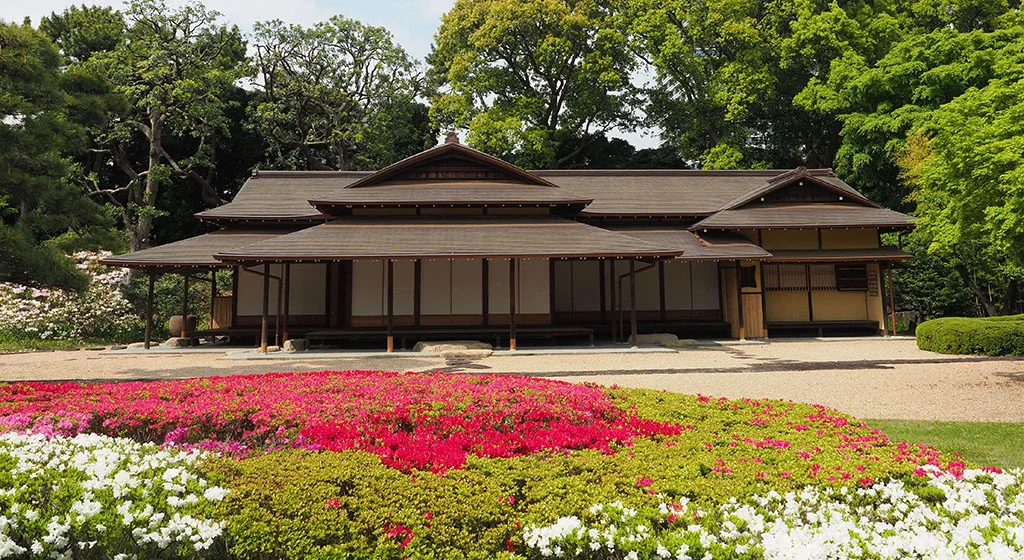
| Day 2 - Imperial Palace East Gardens (Photo stop) A world-famous cabaret show featuring dazzling costumes, stunning stage effects, and entertaining performances. A cultural highlight that showcases Thailand’s rich art of stage entertainment. Perfect way to start your Pattaya experience. |
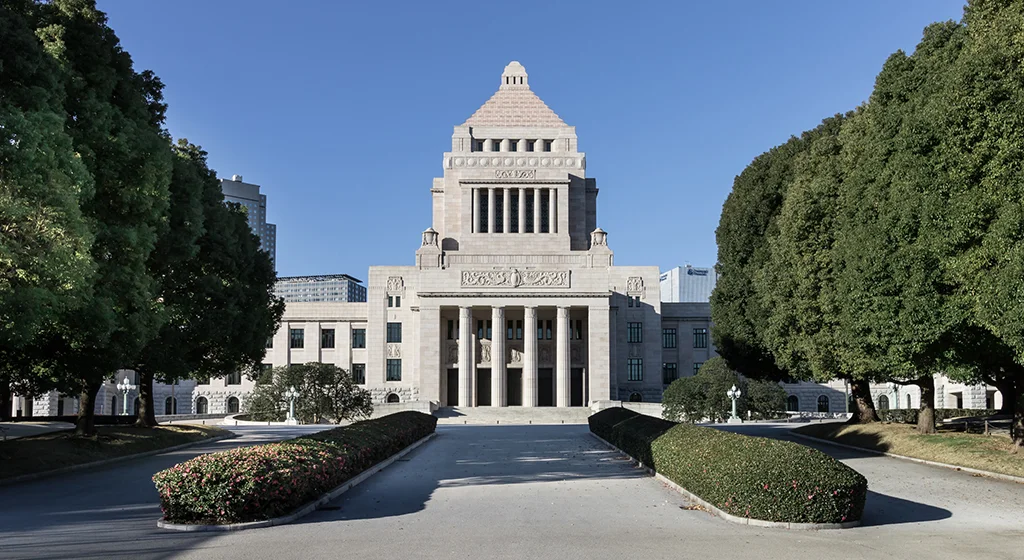
| Day 2 - National Diet Building (Drive past) A serene historical garden located within the grounds of the Imperial Palace in Tokyo. It features Edo-period ruins, stone walls, and beautifully landscaped walking paths. Visitors can explore traditional Japanese flora and seasonal blooms. It’s a peaceful escape in the heart of the city and great for photography. |
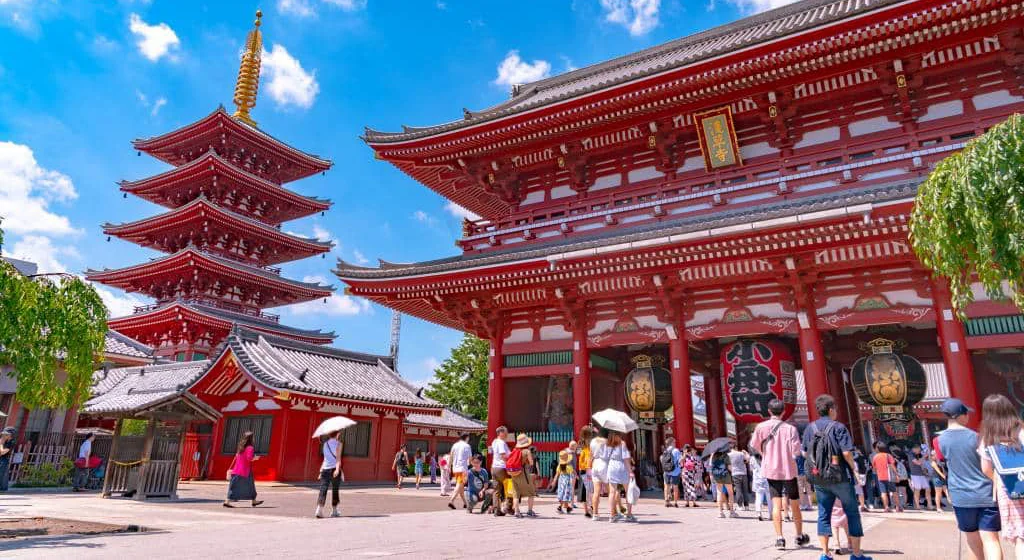
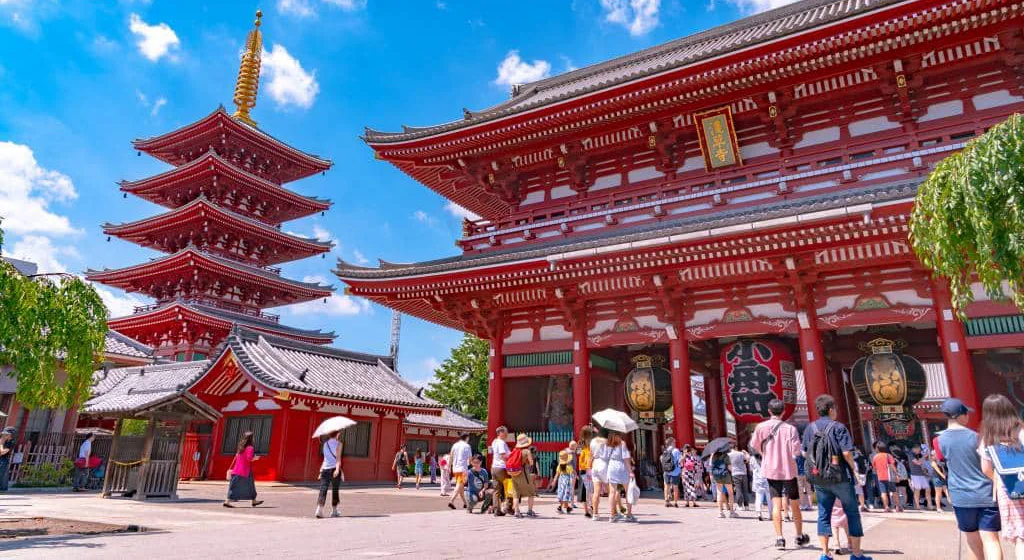 | Day 2 - Asakusa – Sensoji Temple Sensoji is Tokyo's oldest and most colorful Buddhist temple, famous for its massive Kaminarimon Gate and lantern. Inside, visitors experience spiritual ambiance blended with Japanese tradition. |
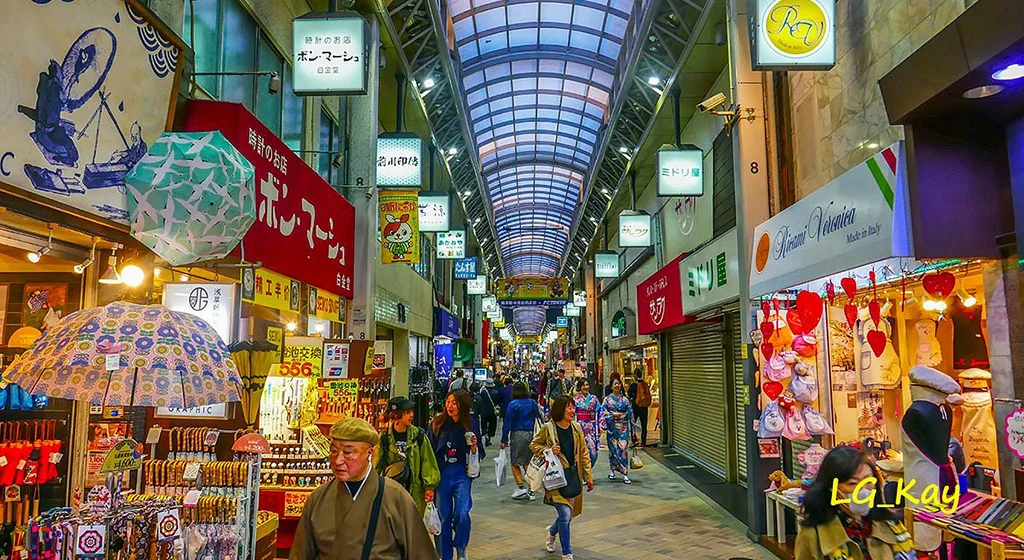
| Day 2 - Nakamise Shopping Street Nakamise Street leading to the temple is lined with local snack stalls and souvenir shops. It offers a lively mix of culture, food, and shopping. |
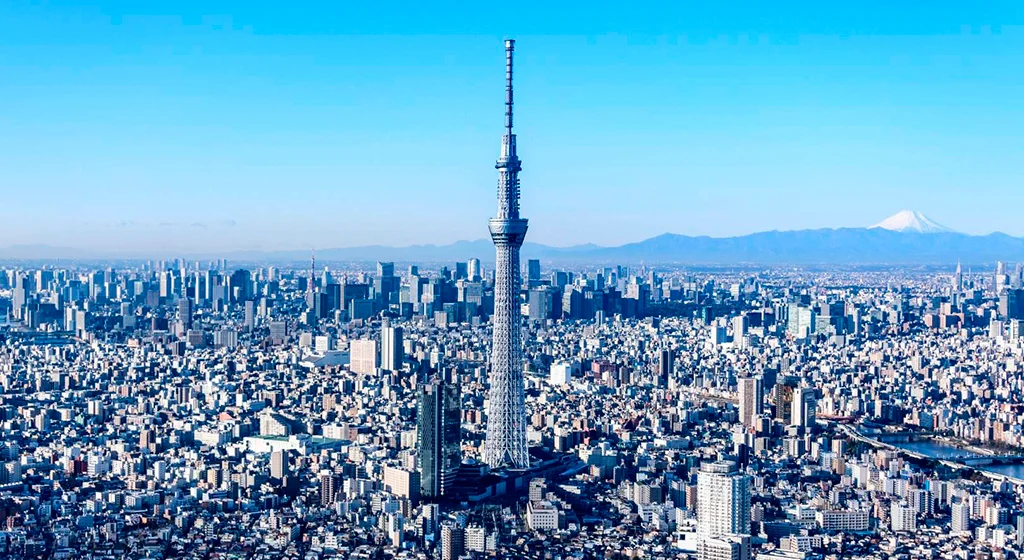
| Day 2 - Tokyo Skytree (350m observatory) One of the tallest broadcasting towers in the world, offering sweeping city views from its 350-meter observation deck. The glass panels and wide-viewing area make it ideal for skyline photography. The attached complex includes dining, shopping, and entertainment options. It’s a signature modern landmark of Tokyo. |
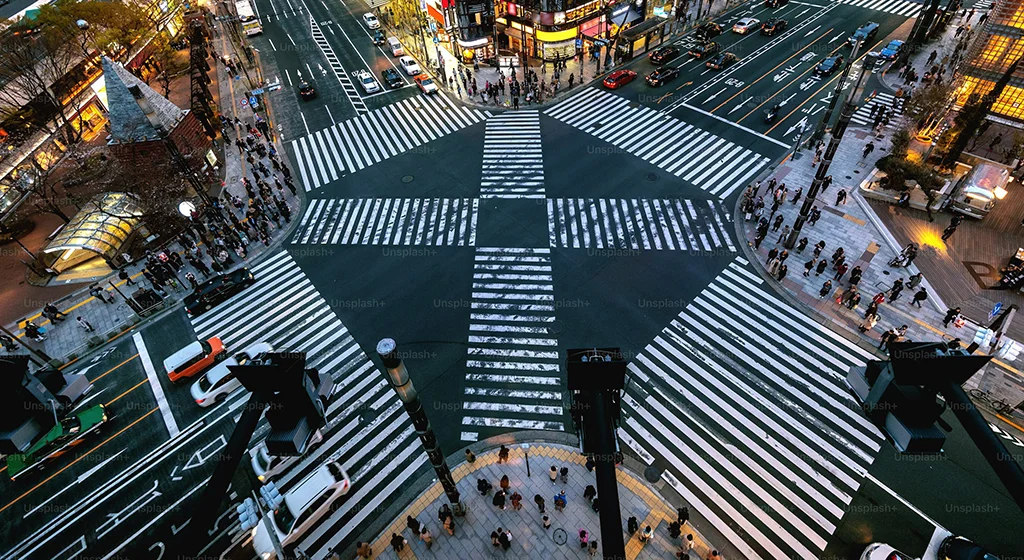
| Day 2 - Shibuya Crossing Famous as the world’s busiest pedestrian intersection, it showcases the bustling energy of Tokyo. Hundreds of people cross in all directions when the lights change, creating an iconic visual moment. Surrounded by malls, cafés, and neon signs, the area reflects Tokyo's urban culture. It’s also a popular spot for filming and people-watching. |
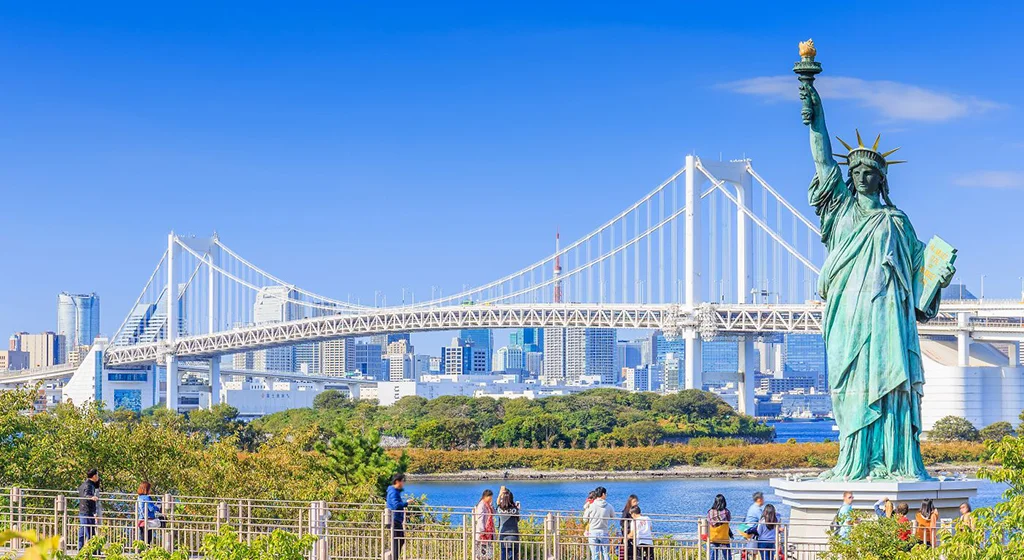
| Day 2 - Odaiba (Statue of Liberty, Rainbow Bridge) A futuristic waterfront district built on a man-made island with shopping, entertainment, and scenic spots. The replica Statue of Liberty stands near the bay, offering views with the Rainbow Bridge in the background. By evening, the illuminated skyline creates a beautiful atmosphere. It’s a popular area for leisure, photos, and casual walks. |
Tokyo to Mt Fuji & Hakone
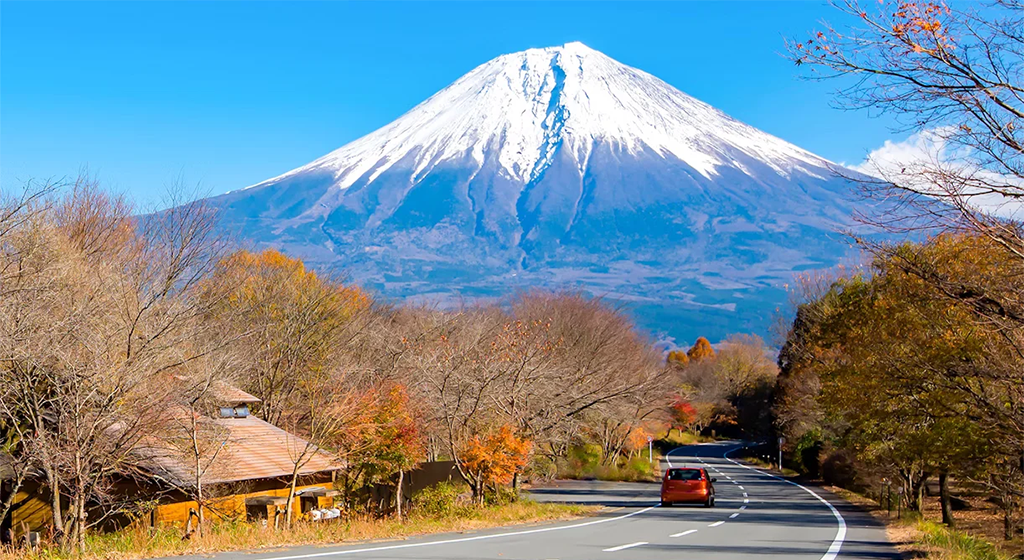
| Day 3 - Mt Fuji 5th Station (weather permitting) Located at an elevation of around 2,300 meters, the 5th Station is the highest point accessible by vehicle on Mt Fuji. It offers panoramic views of surrounding valleys and clouds on clear days. The area has small shops, shrines, and lookout spots. It's the most popular stop for tourists not trekking to the summit. |
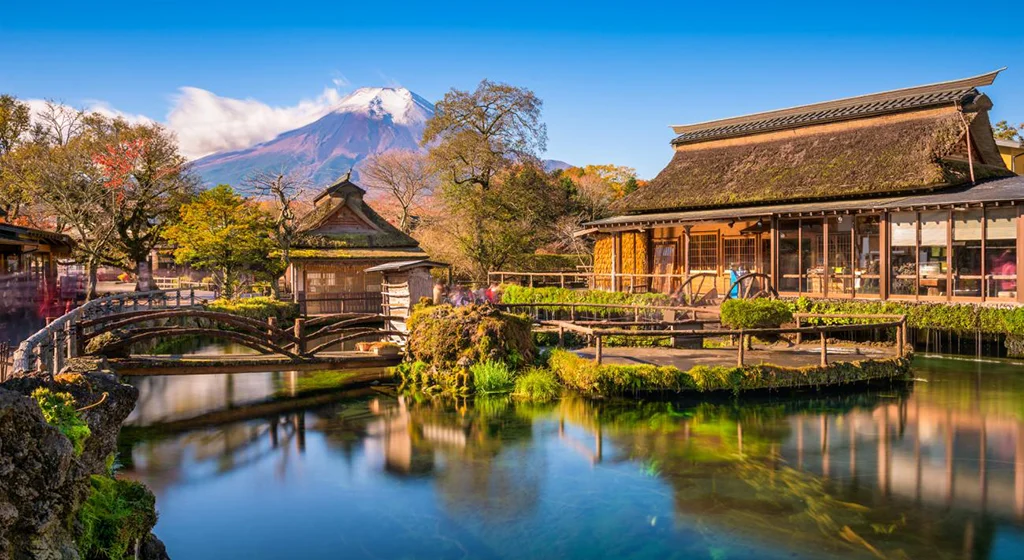
| Day 3 - Oshino Hakkai Village A traditional Japanese village famous for its eight spring-fed ponds formed from Mt Fuji’s melted snow. The water is crystal clear and considered sacred. The village is dotted with thatched houses, bridges, and small shops selling local snacks. It's a scenic stop blending culture, nature, and old-world charm. |
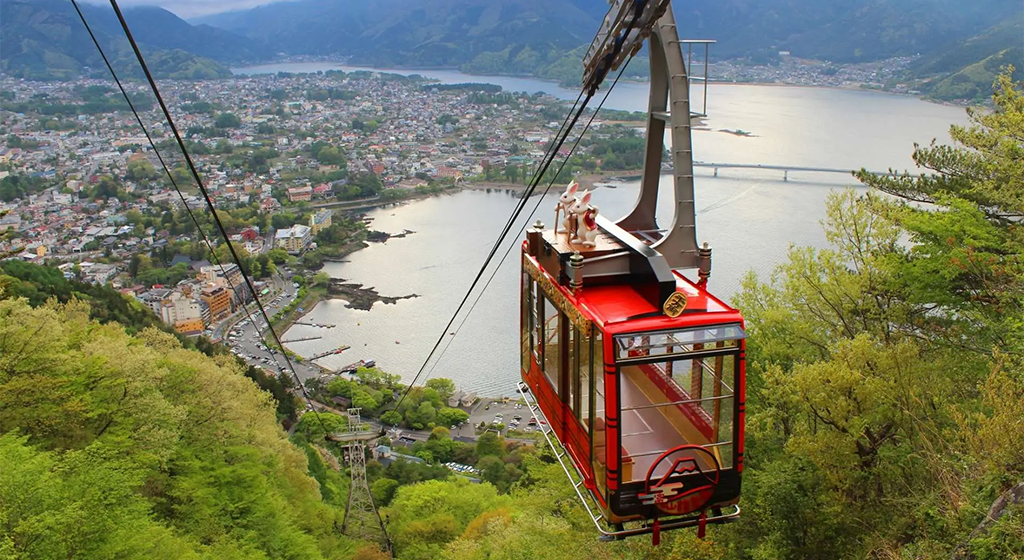
| Day 3 - Lake Kawaguchiko Ropeway (Panoramic ride) This ropeway carries visitors up Mt Tenjo for elevated views of Mt Fuji and Lake Kawaguchiko. The short ride offers great photo opportunities during all seasons. At the top, there are walking trails and viewpoints. It's especially beautiful during cherry blossom and autumn foliage seasons. |
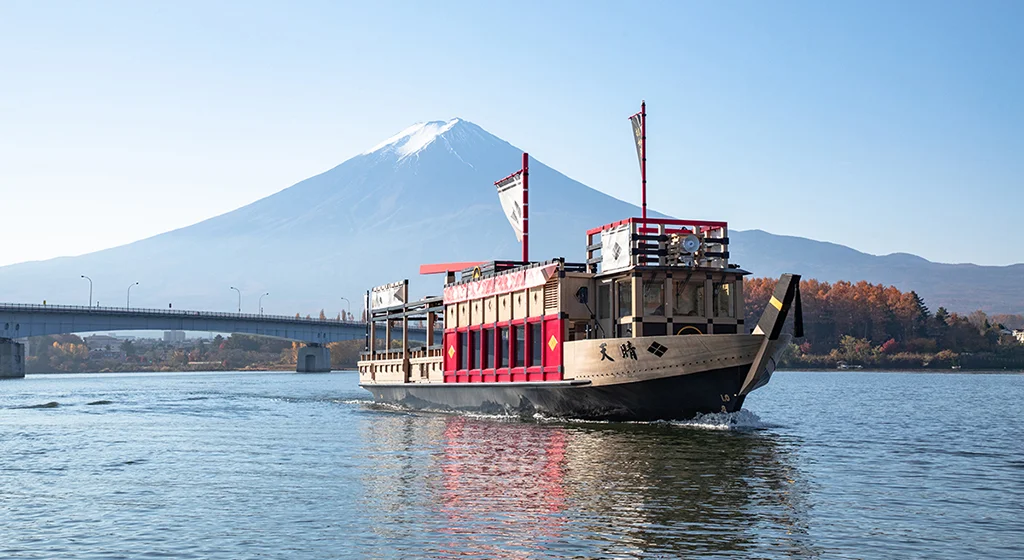
| Day 3 - Lake Kawaguchiko Cruise A relaxing boat ride across one of the Fuji Five Lakes. The cruise offers unobstructed reflections of Mt Fuji on calm days. It's an ideal way to enjoy surrounding mountains and lake scenery. The experience is peaceful and great for photography. |
Hiroshima
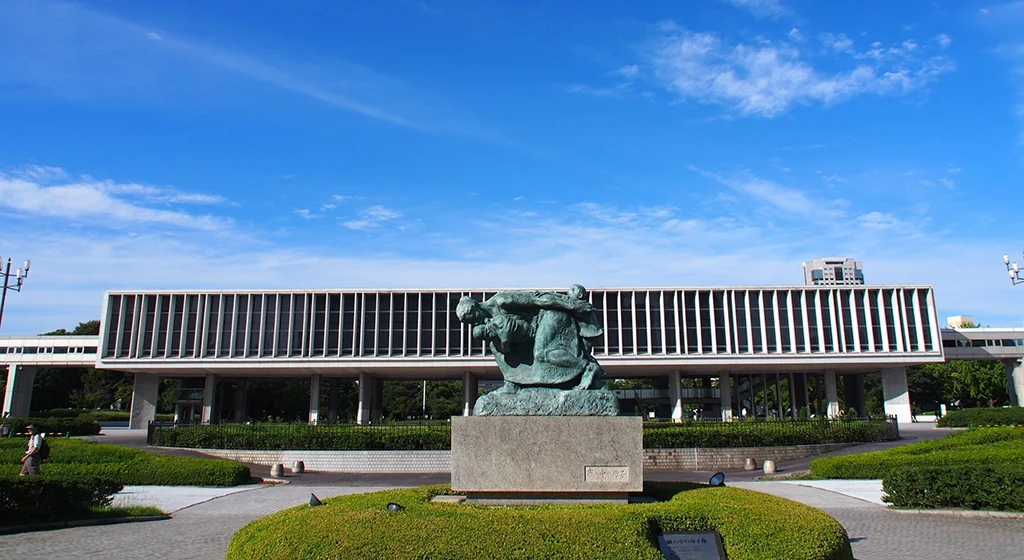
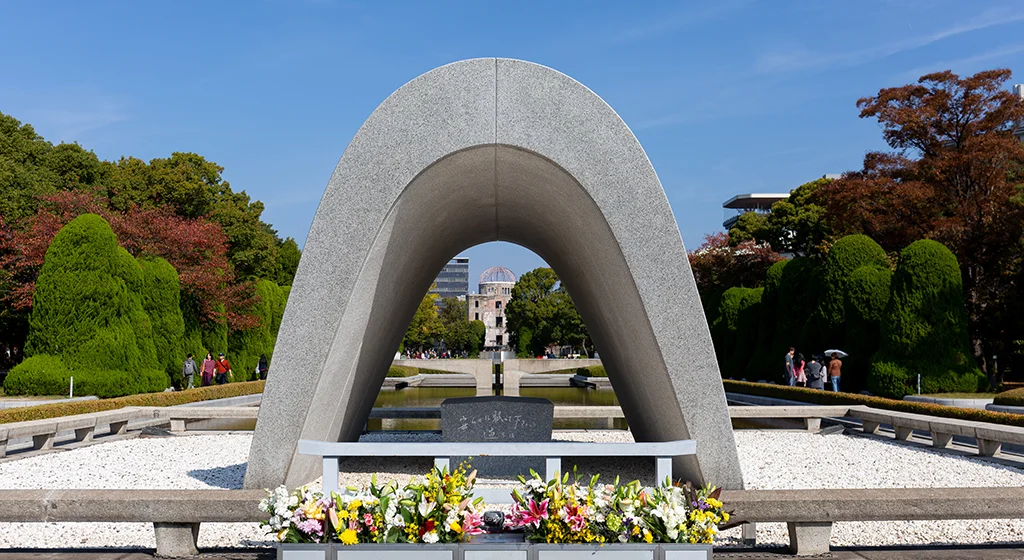
| Day 4 - Hiroshima Peace Memorial Park A landscaped park dedicated to the memory of atomic bomb victims. It features monuments, fountains, and memorial statues promoting peace and reflection. The park sits near the hypocenter of the 1945 blast. It encourages global awareness about nuclear disarmament. |
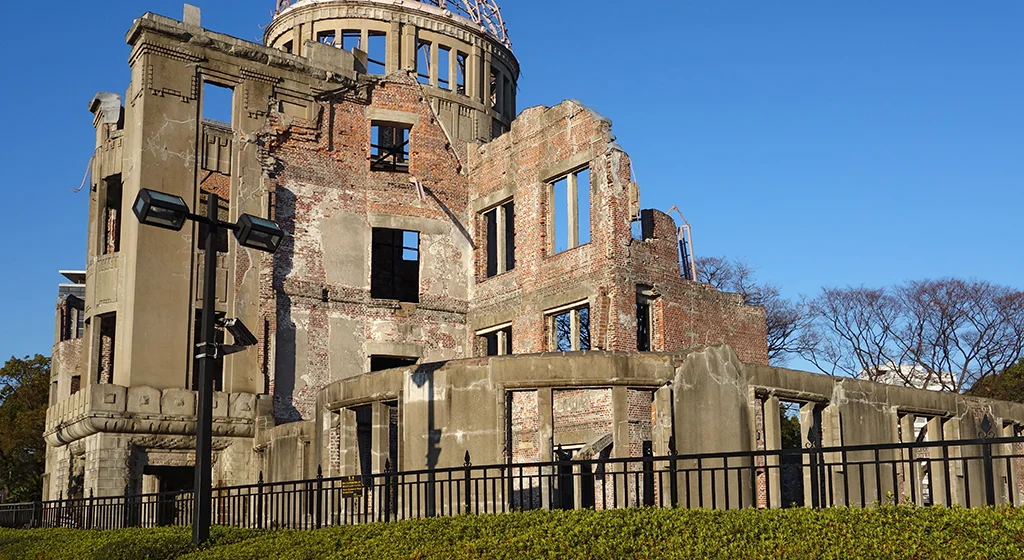
| Day 4 - Atomic Bomb Dome A preserved structure that partially survived the atomic explosion. Now a UNESCO World Heritage Site, it stands as a symbol of resilience and peace. The skeletal dome is one of the most photographed sites in Hiroshima. Visitors can view it from walking paths surrounding the river. |
| Day 4 - Hiroshima Peace Memorial Museum The museum documents the events and impact of the atomic bombing. Exhibits include personal stories, artifacts, photos, and models. It provides historical context and emotional insight into Hiroshima’s recovery. A powerful educational experience for visitors. |
Miyajima & Osaka
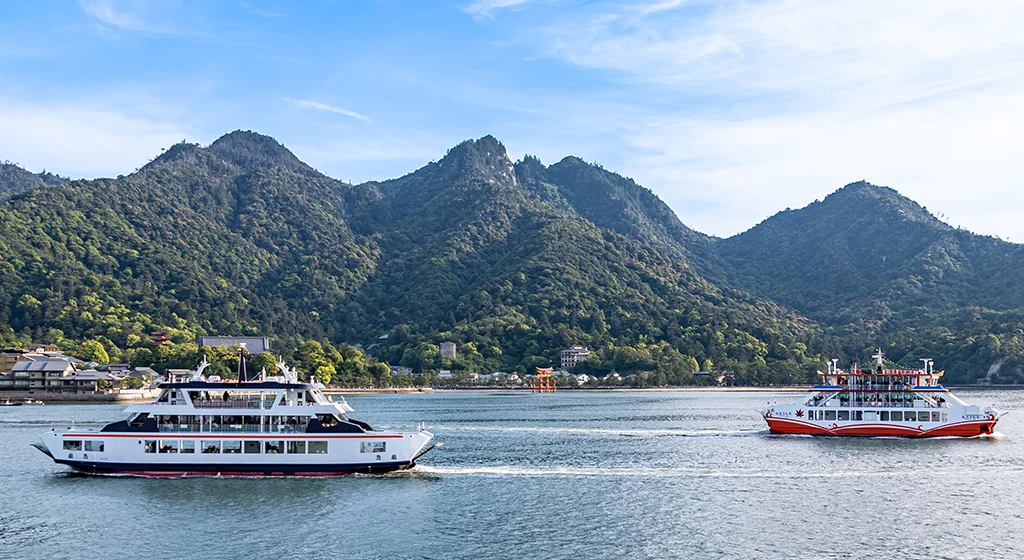
| Day 5 - Miyajimaguchi Ferry This short ferry ride connects the mainland to Miyajima Island. The journey offers scenic views of the Seto Inland Sea and mountains. During high tide, you may spot the floating torii gate from the boat. It's the main access route to the island’s attractions. |
| Day 5 - Miyajima Island Known for its natural beauty, shrines, and sacred deer roaming freely. The island combines spirituality with traditional Japanese landscapes. Walking trails lead through forests, beaches, and small villages. It's a peaceful cultural retreat for day visitors. |
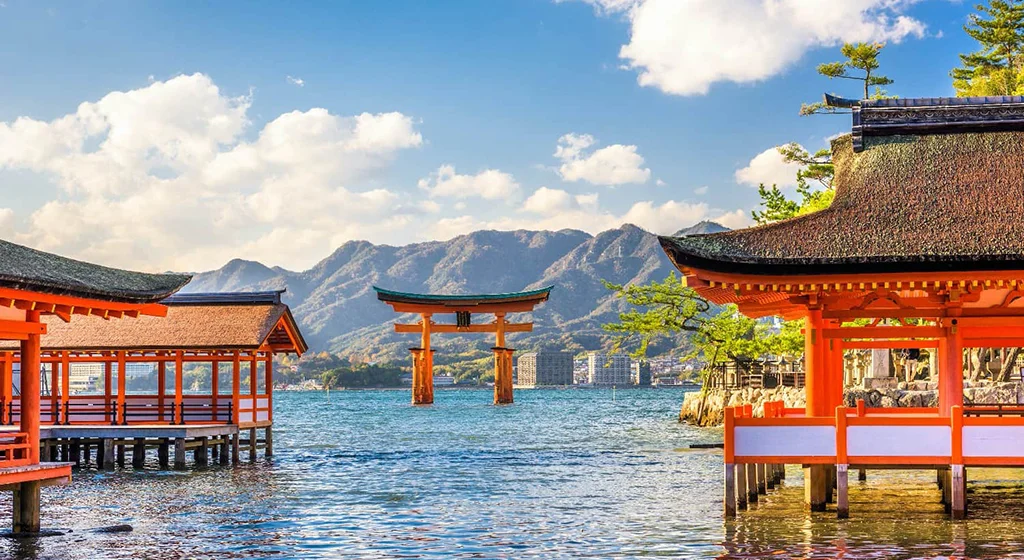
| Day 5 - Itsukushima Shrine A UNESCO World Heritage Site famous for its red gate that appears to float on water at high tide. The shrine complex is built on stilts over the bay with elegant wooden structures. It offers scenic views framed by mountains and sea. One of Japan’s most iconic spiritual landmarks. |
Kyoto (from Osaka)
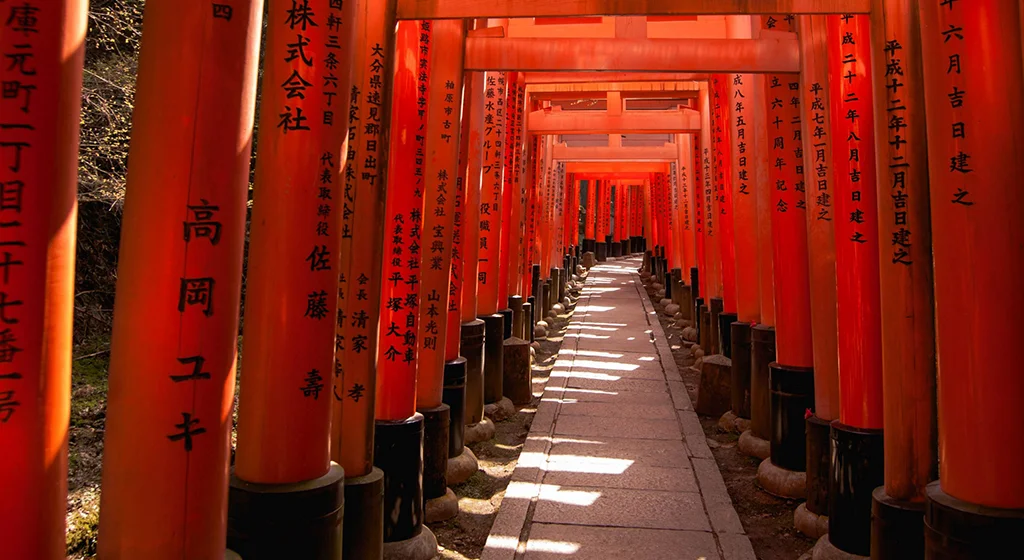
| Day 6 - Fushimi Inari Shrine Renowned for its thousands of bright red torii gates winding up the hillside. The shrine is dedicated to Inari, the deity of prosperity and agriculture. Fox statues, lanterns, and pathways add character to the grounds. It's a favorite location for walking and photography. |
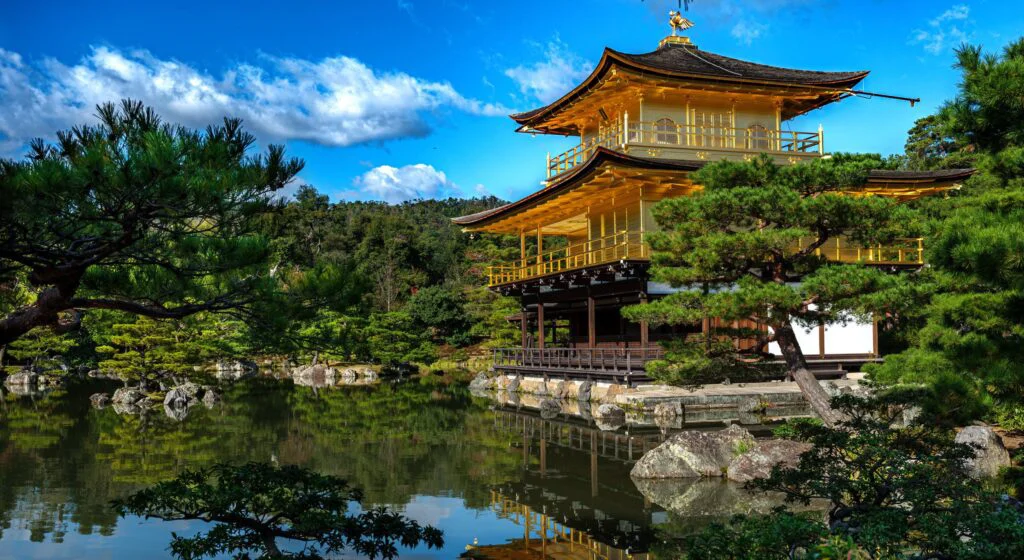
| Day 6 - Kinkakuji Temple (Golden Pavilion) A Zen temple covered in gold leaf, reflecting beautifully in the surrounding mirror-like pond. The building is surrounded by manicured Japanese gardens and forested hills. Each floor has distinct architectural styles. It’s one of Kyoto’s most treasured and photographed landmarks. |
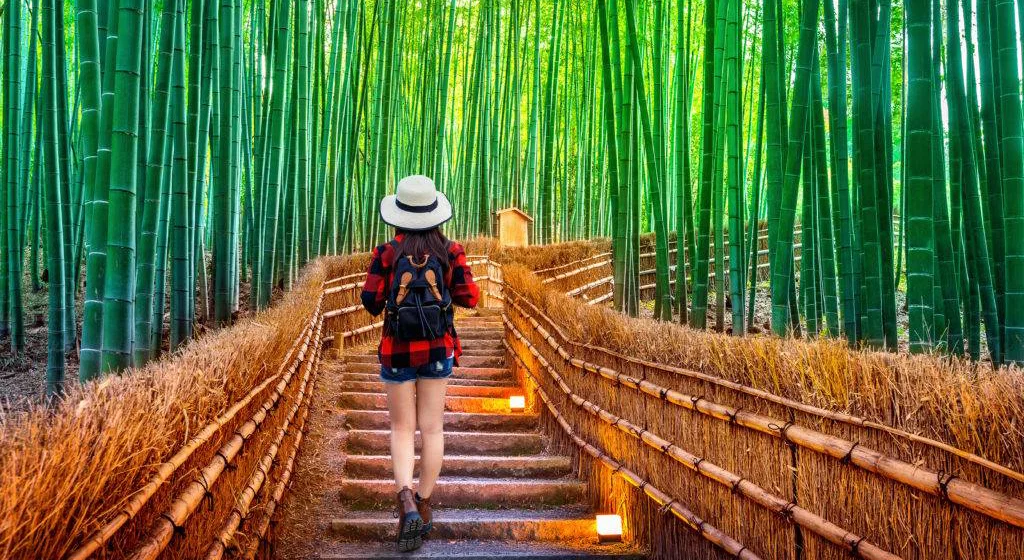
| Day 6 - Arashiyama Bamboo Grove A natural walkway surrounded by towering bamboo stalks that create a peaceful tunnel-like effect. The rustling sound and filtered light add to its charm. It's located near temples, rivers, and traditional teahouses. Ideal for scenic strolls and relaxation. |
Nara & Osaka
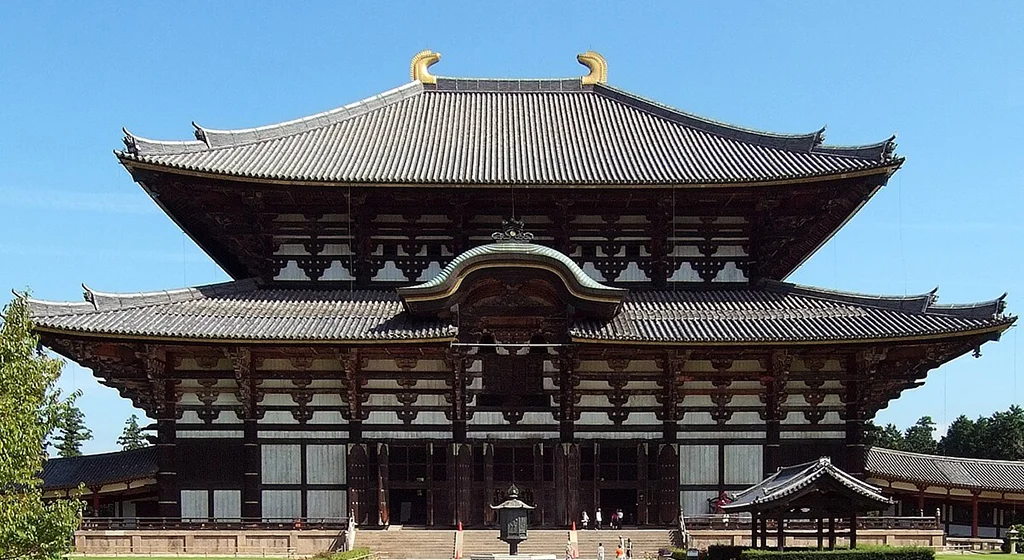
| Day 7 - Todai-ji Temple (Great Buddha Hall) Home to the Daibutsuden (Great Buddha Hall), one of the largest wooden structures in the world. Inside sits a massive bronze statue of Buddha. The temple grounds are rich with history and cultural importance. It’s a UNESCO-recognized architectural marvel. |
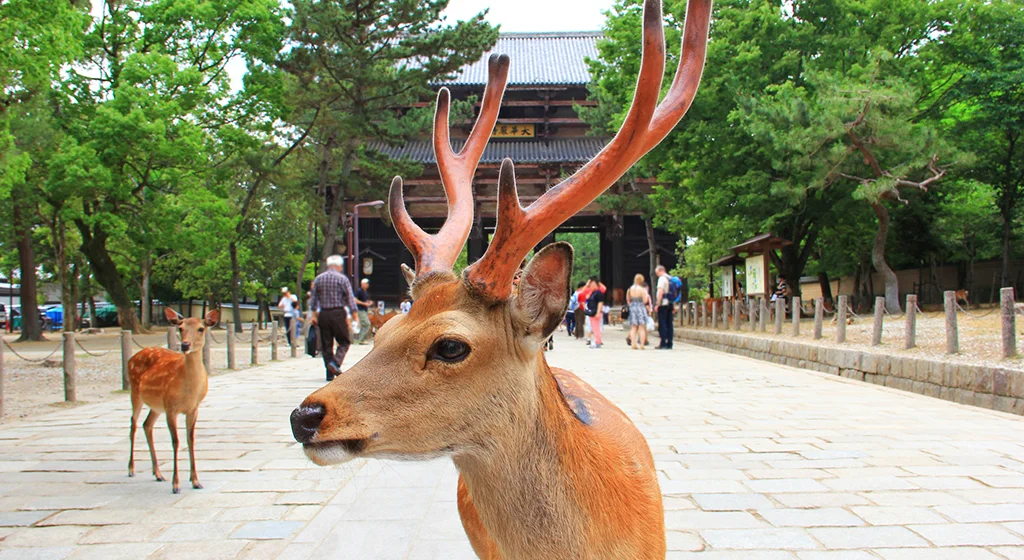
| Day 7 - Nara Deer Park A spacious public park with hundreds of freely roaming deer considered sacred messengers. Visitors can feed them special rice crackers sold nearby. The area is surrounded by temples, ponds, and gardens. It's a fun and cultural wildlife experience. |
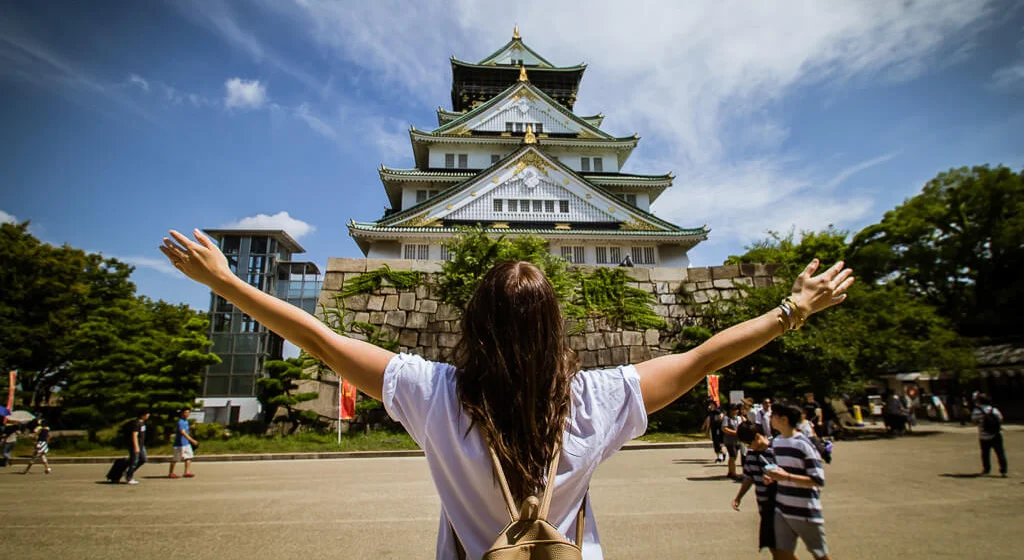
| Day 7 - Osaka Castle (Photo stop) An iconic fortress surrounded by stone walls, moats, and parklands. The exterior reflects Japan’s feudal history and samurai heritage. Visitors take photos from designated viewing spots. The structure is especially striking during cherry blossom season. |
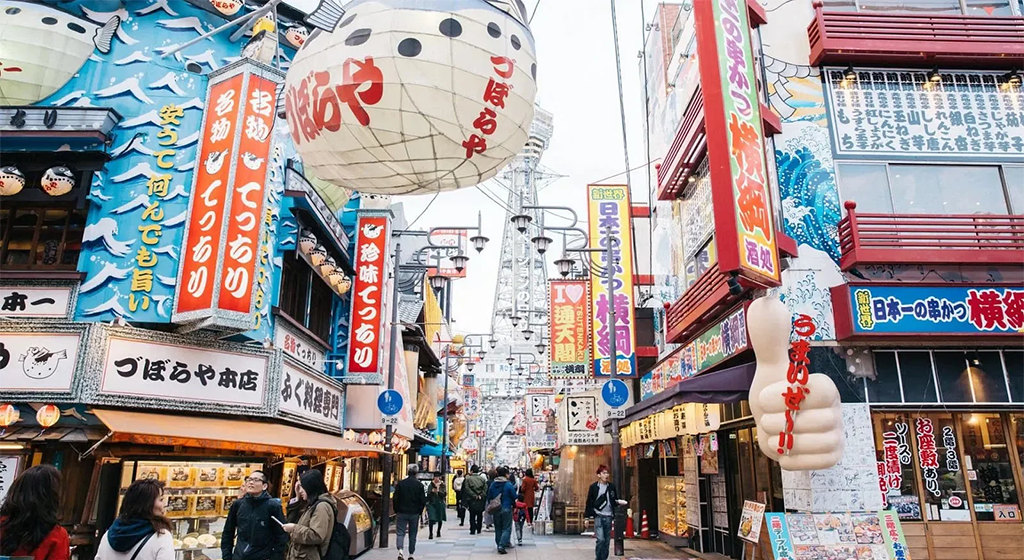
| Day 7 - Umeda (Shopping area) One of Osaka’s busiest commercial zones filled with malls, boutiques, and entertainment spots. It’s known for underground shopping streets and modern architecture. Visitors can explore food courts, fashion stores, and nightlife. A great stop for evening shopping and leisure. |

 Download Trip PDF
- Delhi Tokyo Delhi flight tickets
- Accommodation on TWIN Sharing, basis at proposed or similar hotel
- Meal plan, bed & breakfast for stay at hotel
- 06 Lunch and 07 Dinner at local Indian restaurant
- Private car as per itinerary (Maximum usage per day 04 Hr or 10 Hrs, not at disposal)
- English speaking accompanying guide as per itinerary
- Meet & assist service at Tokyo international airport
- Bullet train Economy class ticket from Tokyo to Hiroshima
- Entry fee monuments, parks and amusement parks basis itinerary
- Tokyo Skytree (350mtr)
- Ropeway (01Way)
- Lake Kawaguchiko Cruise
- Kinkakuji Temple
- Todaji Temple (Grand Buddha Hall)
- Miyajima Ferry
- Miyajima Shrine
- Hiroshima Peace Park & Museum
- Baggage transfer from Tokyo to Osaka (01 Pc. Per Person)
- Daily bottled water in car (500 ML x 2 Bottle Per Person)
- Currently applicable taxes in Japan
- Visa Fee
- TCS EXTRA
- Anything not mentioned in inclusions

